
Fast, Reliable Chimney Repair Across Joint Base Lewis McChord
Chimney repair in Joint Base Lewis McChord typically costs $180–$850 depending on the scope, and most standard repairs are completed in a single visit. We’re Horizon Chimney Sweep Washington, and our Chimney Repair team regularly makes the drive down I-5 to serve military families on JBLM, DuPont, and the surrounding South Sound corridor. If you’re stationed here and just pulled into Woodbrook or another on-base neighborhood, you probably don’t know when your chimney was last inspected—neither does the housing office. That’s where 17 years of hands-on experience matters. Call us at (866) 541-8697 for a free estimate and straight answers about what your fireplace actually needs.
Why Horizon Chimney Sweep Washington Is Joint Base Lewis McChord’s Preferred Chimney Repair Company
We’ve been climbing JBLM chimneys long enough to recognize the patterns: a family rotates in from Fort Hood or Fort Benning, inherits a 1970s ranch with an original masonry fireplace, and assumes the housing contractor handled the maintenance. They didn’t. With over 1,006 verified reviews averaging 4.8 stars, we’ve built our reputation on showing up, diagnosing honestly, and fixing it without sending a salesperson in a polo shirt.
James Wilson arrives as the lead technician, not a subcontractor you’ve never met. When you’re new to Joint Base Lewis McChord and navigating Custer Road Southwest for the first time, that consistency matters. We’ve worked on base housing near the Type 65 Dual 57mm AA Gun display, in Woodbrook subdivisions off Steilacoom Boulevard Southwest, and throughout the 98433 ZIP code. Our response time to JBLM is typically same-day or next-day because we keep common repair materials—HeatShield resurfacing mix, DuraFlex liner sections, Famco caps—stocked for the South Sound market.
The reviews that matter most to us come from military spouses who’ve dealt with enough contractor headaches during a PCS. They mention the same things: showed up when promised, explained what was actually broken, didn’t push unnecessary work. That’s the standard James Wilson set 17 years ago, and it’s the standard we still hold.
Our Chimney Repair Services in Joint Base Lewis McChord
Mortar Repointing
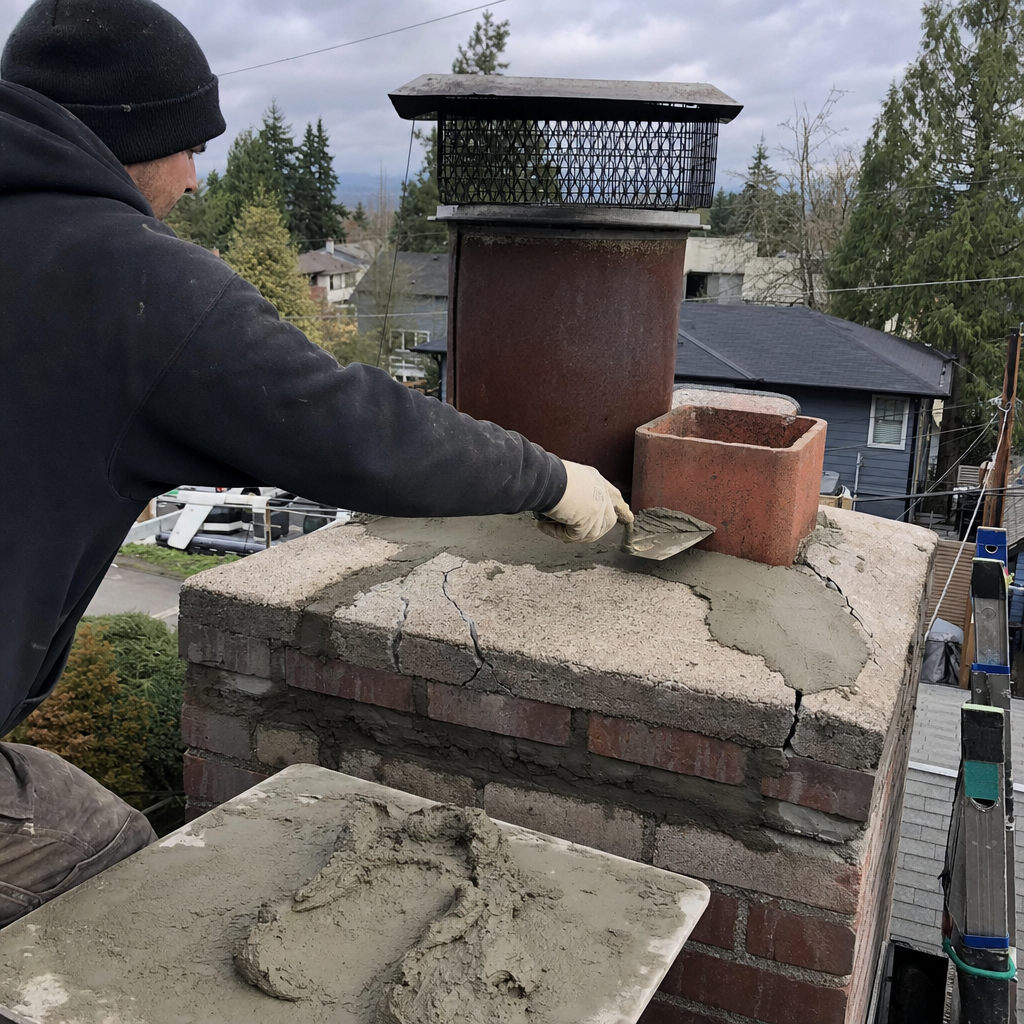
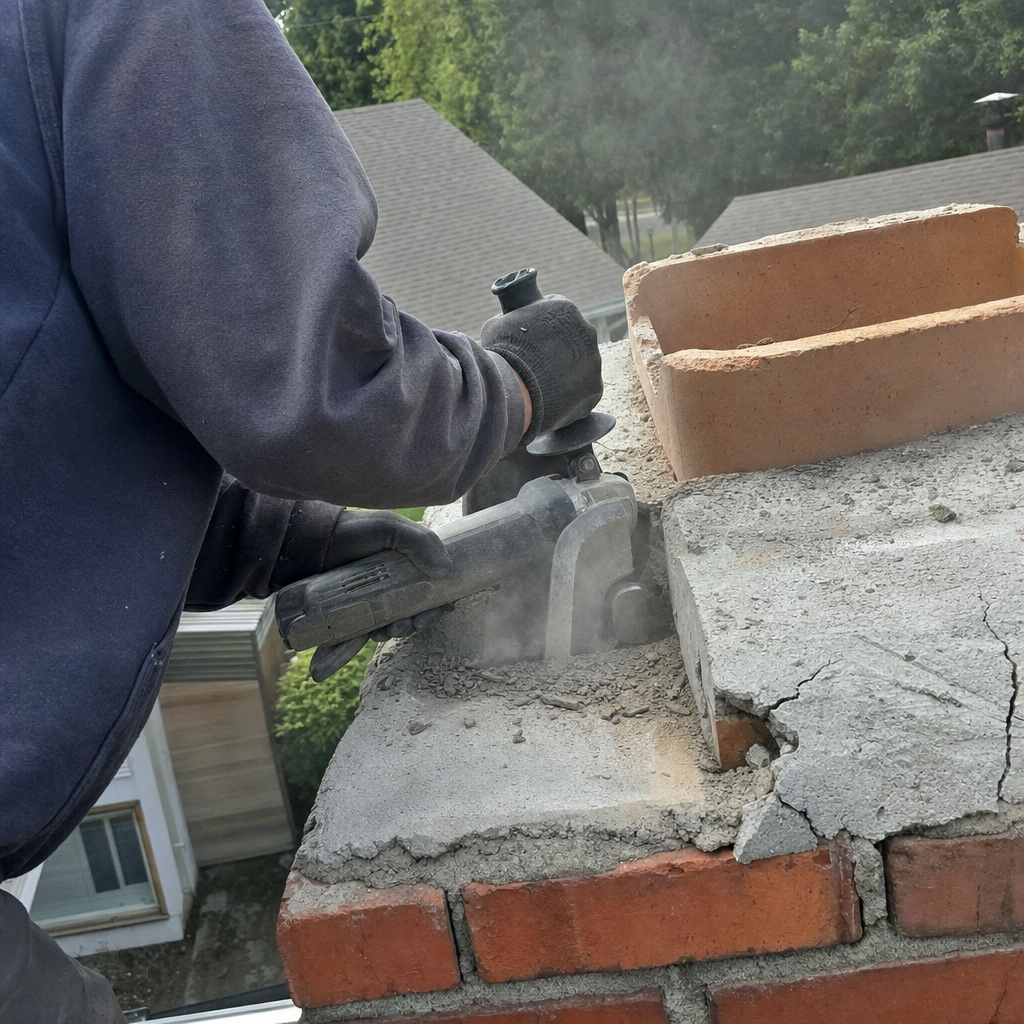
Joint Base Lewis McChord’s original military housing stock—those standardized ranch and two-story builds from the 1950s through 1980s—was constructed with mortar mixes that weren’t formulated for 45-50 inches of annual South Puget Sound rainfall. We’ve repointed chimneys in Woodbrook where the original mortar had turned to sand, letting water weep directly into the wall cavity. Our repointing runs $18–$28 per square foot in the JBLM market, and we grind out failed joints to proper depth before packing fresh, weather-resistant mortar matched to your existing color profile.
Spalling Brick Repair
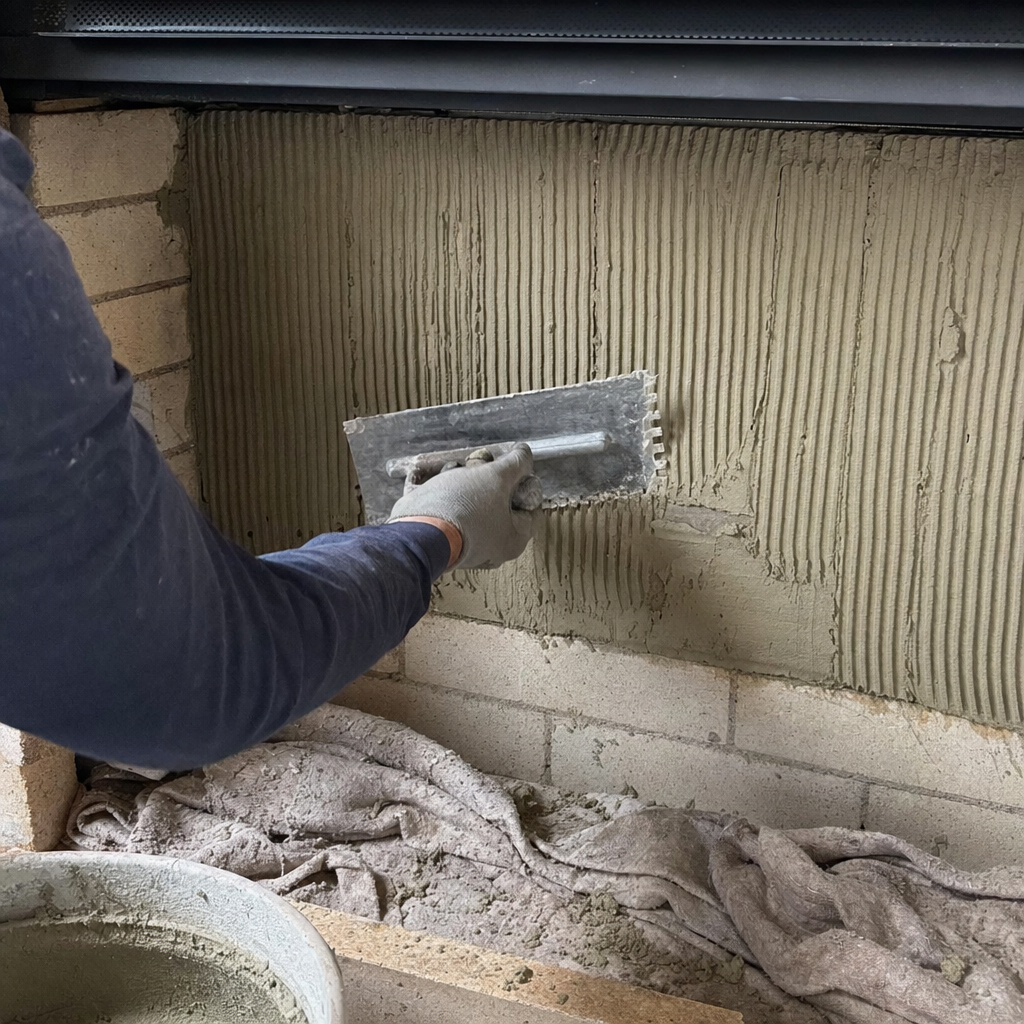
Spalling—where freeze-thaw cycles pop the face off a brick—is epidemic on base housing chimneys that have gone uninspected through multiple PCS cycles. The persistent dampness around Joint Base Lewis McChord means water penetrates compromised mortar, expands when temperatures dip below freezing, and fractures the brick surface. We remove spalled units, source matching replacements when possible, and address the underlying moisture intrusion so it doesn’t repeat next winter.
Chimney Waterproofing
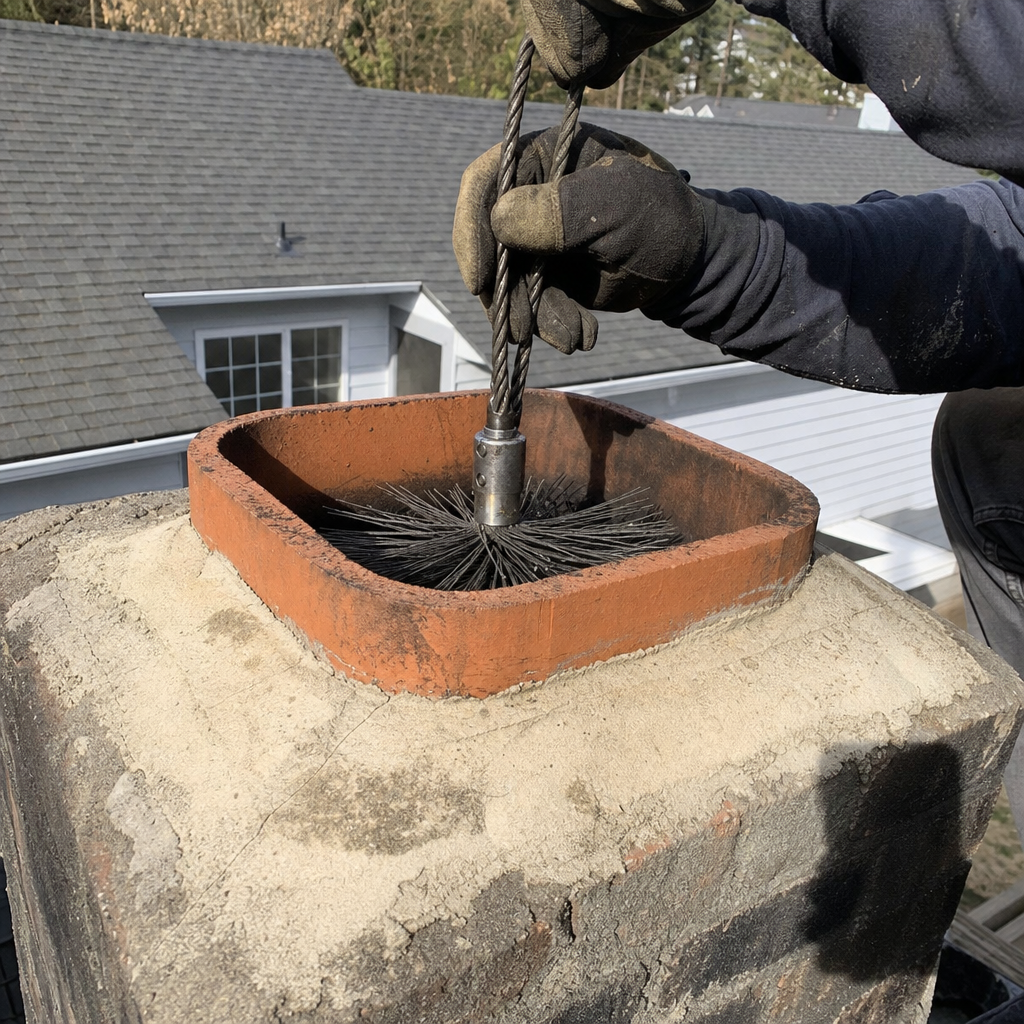
This is the repair we push hardest for JBLM homes with original masonry. The marine climate here isn’t just wet—it’s relentlessly wet, with moss and lichen colonizing chimney crowns and shoulders within a season or two of cap failure. We apply vapor-permeable waterproofing sealants (Copperfield formulations for breathable protection) that stop liquid water from entering while letting trapped moisture escape. For a typical Joint Base Lewis McChord ranch chimney, waterproofing runs $350–$550 and carries a 10-year performance warranty. Given that privatized renovation programs often skip chimney infrastructure entirely, this is frequently the most cost-effective preventive investment a new tenant can make.
Flashing Repair
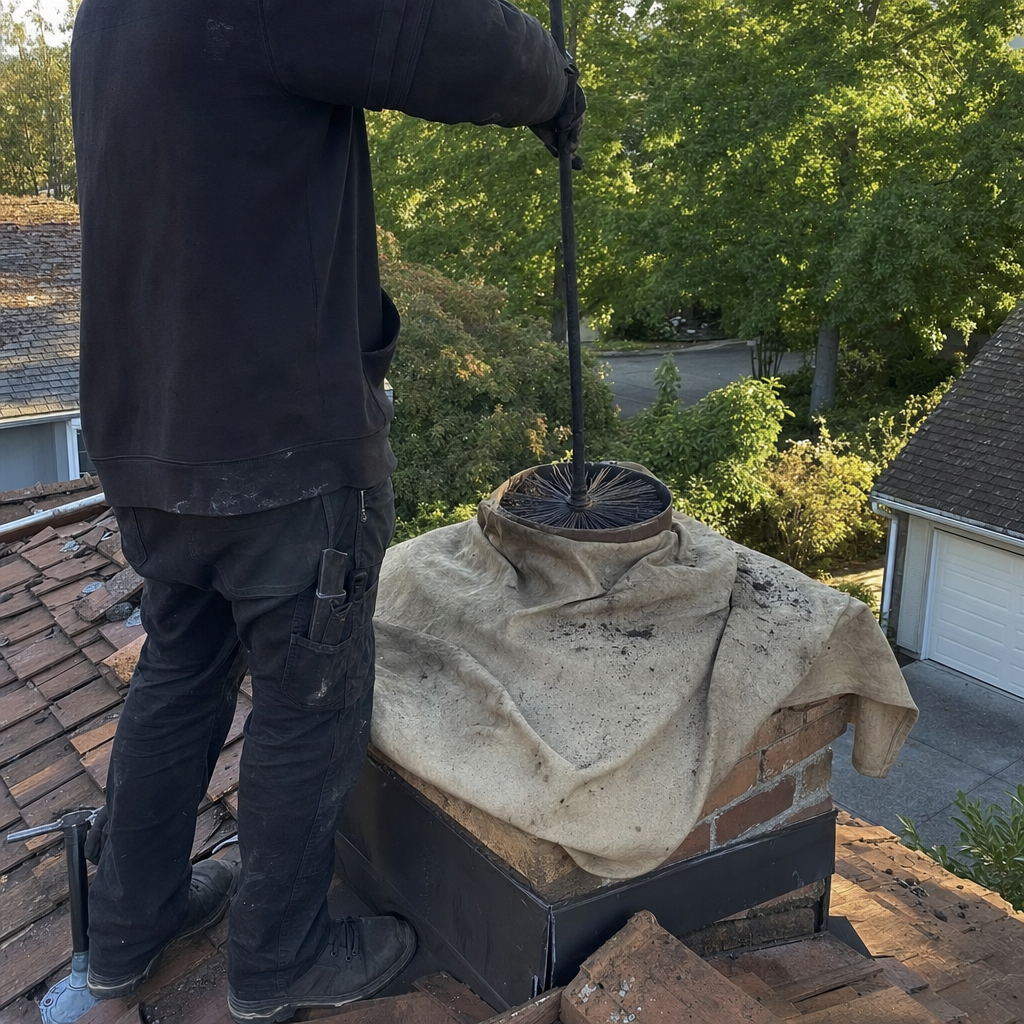
Step flashing and counterflashing around chimney-to-roof intersections are failure points we inspect on every JBLM call. Base housing contractors managing roof replacements sometimes re-use old flashing or install generic profiles that don’t account for the thermal expansion of original masonry. We fabricate and install custom flashing using industry-standard techniques, sealed with high-temperature compounds that flex through our freeze-thaw swings. A straightforward flashing repair in Joint Base Lewis McChord typically runs $280–$450; if the surrounding decking has rotted from years of leakage, we’ll show you before touching it.
Chimney Rebuilding
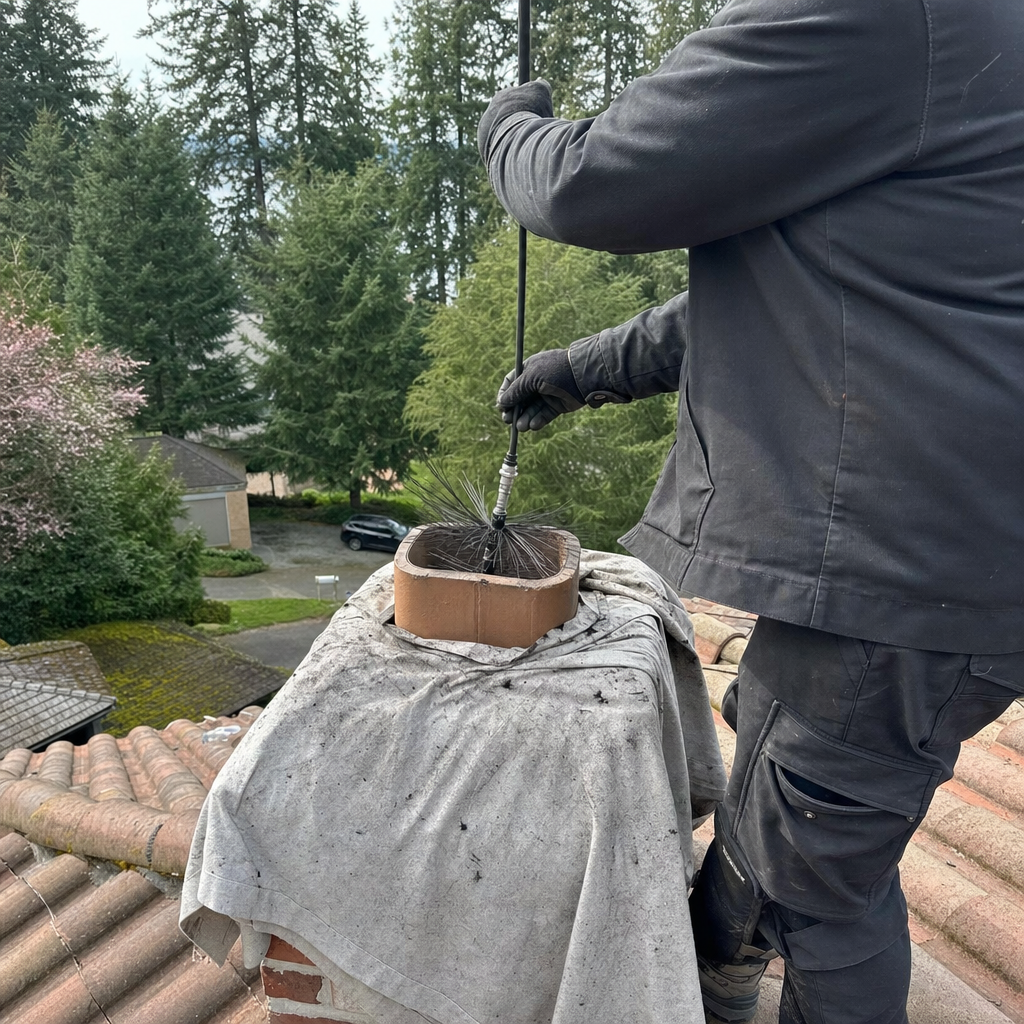
When deterioration exceeds localized repair scope—common on chimneys that have seen 5-10 years of deferred maintenance through multiple tenants—we rebuild from the roofline up or perform partial reconstructions. We source matching brick where possible and install proper concrete crowns with adequate overhang and drip edges, not the flat, cracked slabs that were standard military spec. Full rebuilds in this market start around $2,800 and scale with height and access complexity.
Tuckpointing
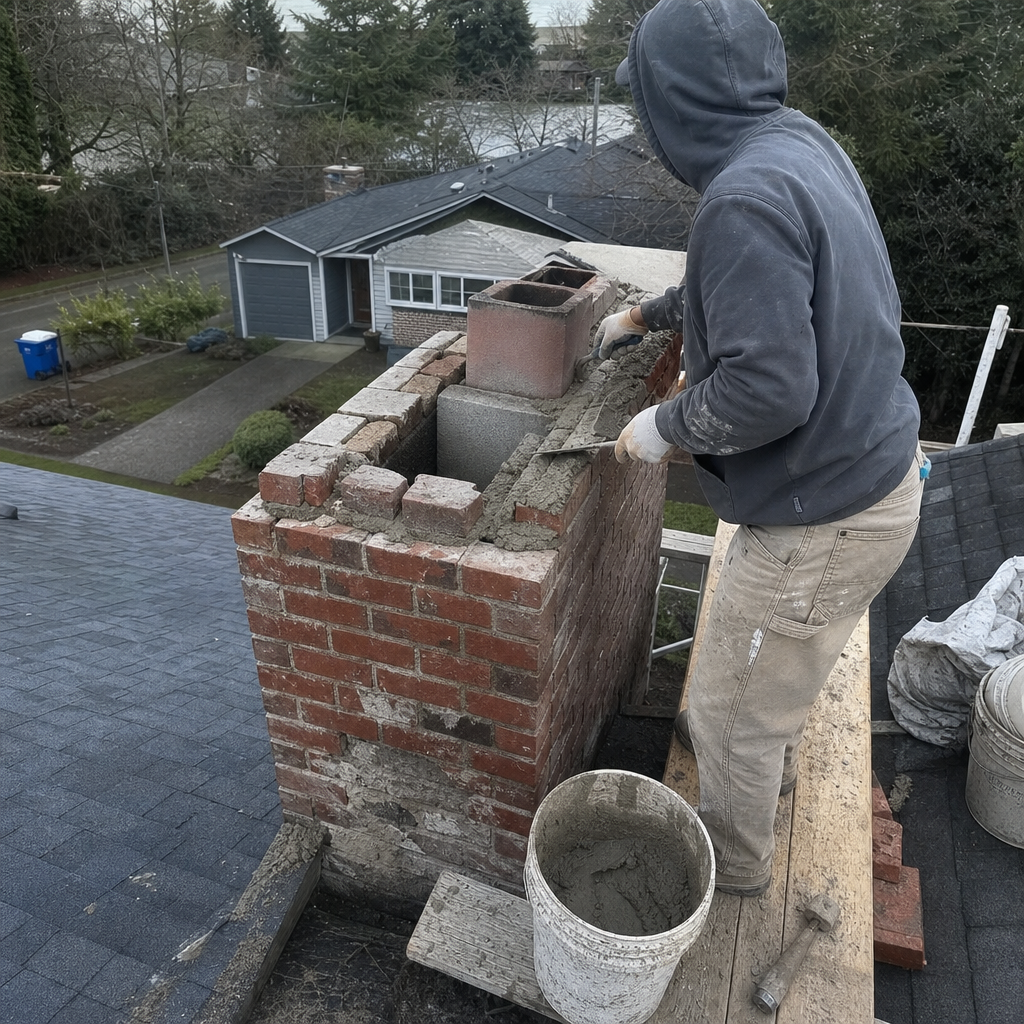
For chimneys with sound structural masonry but cosmetic or early-stage mortar degradation, tuckpointing offers targeted intervention. We see this need frequently in JBLM housing where a chimney has been maintained just enough to prevent collapse but not enough to preserve appearance or function. It’s precise, time-intensive work that James Wilson often handles personally given the finish-quality demands.
What happens when you call
- 1
A real person answersNo phone trees — you reach a local pro.
- 2
You get an upfront price rangeHonest numbers before anyone is dispatched.
- 3
A background-checked tech heads outLicensed & insured, dispatched right away.
- 4
You approve before work beginsNothing starts until you say go.
Trusted Brands We Service in Joint Base Lewis McChord
We don’t guess at material compatibility. For liner repairs and replacements on base housing with original clay flue tiles, we specify DuraFlex stainless steel and HeatShield cerfractory resurfacing systems—products designed to handle the heavy, sticky creosote deposits that result from burning unseasoned Pacific Northwest softwoods. For caps, dampers, and exterior waterproofing, we source Famco and Copperfield components that we keep in regional inventory for fast turnaround. When you’re staring down a JBLM winter and your chimney’s backing up smoke, “two-week shipping” doesn’t cut it. We stock for the market we serve.
Common Chimney Repair Problems We See in Joint Base Lewis McChord Homes
- Stage-two and stage-three creosote accumulation from unseasoned fuel. New arrivals from dry climates often buy whatever cordwood is advertised near base, not realizing that 45-50 inches of annual rainfall means even “seasoned” local softwoods carry higher moisture content than Texas oak or Georgia pine. One wet winter of regular burning can produce glazed creosote that requires mechanical removal and often damages underlying flue tiles.
- Hidden crown and flashing failures behind cosmetic housing renovations. Privatized base housing contractors have updated kitchens, flooring, and paint in many Woodbrook units while leaving original chimney infrastructure untouched. We’ve pulled caps off to find concrete crowns degraded to gravel, with water paths established directly into the firebox surround.
- Hairline clay flue tile cracks with no inspection history. Because PCS paperwork doesn’t transfer chimney service records, a crack that started three tenants ago goes undetected until smoke infiltration, carbon monoxide alarm activation, or a chimney fire forces the issue. We repaired an original clay flue tile on a 1970s-era Woodbrook home where the tenant had flagged its smoke backup issue weeks ago. The tile had a hairline crack caused by a previous PCS family burning unseasoned pine for two straight wet winters—our crew installed a HeatShield liner length to prevent future stage-three buildup.
- Moss and lichen acceleration of mortar erosion. The near-constant moisture around Joint Base Lewis McChord promotes biological colonization on north-facing chimney shoulders, where root systems penetrate mortar joints and accelerate freeze-thaw damage beyond what rainfall alone would cause.
Pricing for Chimney Repair in Joint Base Lewis McChord, WA
| Service | Typical Range (JBLM) |
|---|---|
| Mortar repointing (per sq ft) | $18 – $28 |
| Spalling brick repair (per brick + labor) | $45 – $85 |
| Chimney waterproofing (standard ranch) | $350 – $550 |
| Flashing repair (localized) | $280 – $450 |
| Flashing replacement (full chimney) | $650 – $950 |
| Partial chimney rebuild (roofline up) | $2,800 – $4,500 |
| Full chimney rebuild | $4,500 – $8,500 |
| HeatShield flue liner resurfacing | $1,800 – $3,200 |
| DuraFlex stainless liner (standard install) | $2,400 – $4,800 |
These ranges reflect actual Joint Base Lewis McChord market conditions—material costs, drive time from our Seattle base, and the access constraints of on-base housing. What moves you within a range: chimney height, number of flues, extent of water damage to surrounding structure, and whether we can stage equipment on pavement or need to protect landscaping. We don’t quote over email for repair work; we inspect, photograph, and explain. Estimates are free. Call (866) 541-8697 to schedule.
We Also Serve Cities Near Joint Base Lewis McChord
Our service radius covers the full South Sound military corridor. We regularly run repair calls to DuPont (just off I-5 exit 118), Steilacoom along Steilacoom Boulevard Southwest, Lakewood including the Tillicum and Woodbrook-adjacent areas, and University Place for homeowners commuting to JBLM. Same standards, same materials, same technician-led service.
Serving Joint Base Lewis McChord, WA — Our Local Coverage Area
We’re based in the Joint Base Lewis McChord area and know this community well. Use the map below to see our service coverage — if you’re nearby, we can almost certainly help.
FAQs — Chimney Repair in Joint Base Lewis McChord
Responsibility varies by your specific housing contract and whether you’re in privatized housing (managed by companies like Balfour Beatty or Hunt Military Communities) or traditional military housing. Most privatized JBLM leases place chimney maintenance on the resident for routine cleaning and minor repairs, while structural issues may fall to the housing contractor—though we’ve seen persistent confusion where neither party acts until a failure occurs. Call your housing office and ask specifically about chimney inspection frequency and repair cost-sharing; then call us at (866) 541-8697 for an independent assessment of what actually needs attention.
No. A home inspection report from a PCS move-out is not a chimney sweep or NFPA Level 1 inspection; it’s typically a visual glance by a generalist looking for obvious damage, not creosote measurement, flue tile evaluation, or combustion gas testing. We’ve arrived at Woodbrook homes where the incoming family showed us a 12-month-old inspection report while we pulled out stage-three glazed creosote. Schedule a proper inspection before your first fire.
Significant mortar degradation can develop within 2-3 years of cap or crown failure in this climate, and moss root penetration can accelerate joint opening within a single season on north-facing exposures. The combination of 45-50 inches of annual rainfall, mild temperatures that prevent deep drying, and biological colonization makes JBLM’s deterioration rate notably faster than drier inland climates. If you can see moss from the ground, water is already inside the masonry system.
Yes, though the repair approach depends on crack pattern and extent. The South Puget Sound experiences low-level seismic activity that can stress rigid clay flue tiles, producing hairline longitudinal cracks or spalled segments that aren’t immediately obvious. We evaluate with video scanning; isolated damage often warrants HeatShield cerfractory resurfacing or a DuraFlex stainless liner insert, while extensive cracking may require partial rebuild. We’ve performed both repairs on JBLM homes near 88th Street Southwest where previous tenants had reported “occasional smoke smell” without identifying the cause.
Smoke odor without active burning typically indicates negative pressure in your home drawing air down the chimney, combined with creosote deposits or animal nesting material that releases odor when humid air passes over it. JBLM’s tight, energy-efficient housing and frequent rainy-day indoor air pressure differentials make this complaint common in Woodbrook. The fix usually involves cleaning, damper evaluation, and sometimes a top-sealing damper or fresh air intake adjustment. Call (866) 541-8697—we’ll diagnose whether it’s a simple sweep or a sign of deeper liner damage.
Written by James Wilson, Owner at Horizon Chimney Sweep Washington, serving Joint Base Lewis McChord and the South Sound since 2007.