
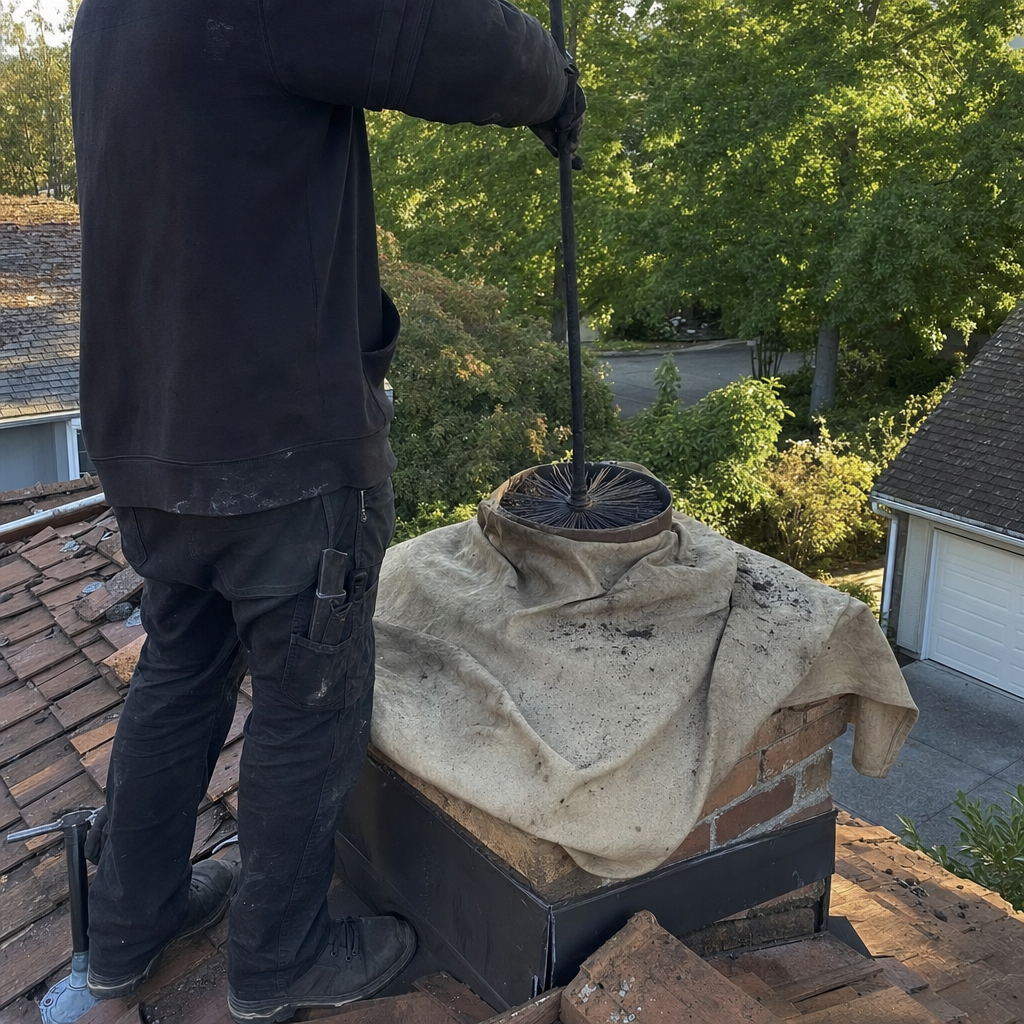
Fast, Reliable Chimney Cleaning & Sweep Across Sandy
Chimney cleaning and sweeping in Sandy, Oregon typically runs $220–$380 for a standard Level 1 sweep with inspection, and most appointments are scheduled within 3–5 business days. For homeowners burning self-cut Douglas fir from nearby forest land, expect additional costs for chemical pre-treatment when heavy glazed creosote is present.
We make the drive from our Seattle base to Sandy regularly, and we know the route well — Highway 26 past Government Camp, then down into the Sandy River Valley. If you’re off Muzzy Lane, Firwood Road, or up toward Jonsrud Viewpoint, we’ve been there. James Wilson, our owner and lead technician, handles the scheduling personally for Sandy calls because the jobs aren’t standard. Sandy’s acreage properties, detached workshops with wood stoves, and older masonry fireplaces retrofitted with inserts demand more than a quick brush-and-vacuum. They need someone who’s seen what Cascade foothill chimneys do after decades of hard use. Call (866) 541-8697 to book — we’ll give you a real arrival window, not “sometime Tuesday.”
Why Horizon Chimney Sweep Washington Is Sandy’s Preferred Chimney Cleaning & Sweep Company
Sandy homeowners don’t hire us for speed. They hire us because we show up prepared for what’s actually in their flue. Over 1,006 verified reviews at a 4.8-star average reflect repeated trust from customers who’ve learned the difference between a generalist with a brush and a chimney-only specialist. James Wilson arrives as lead technician — not a subcontractor learning on your dime. That matters when we’re pulling apart a deteriorated transition collar on a 1980s wood stove insert and need to make the right call on the spot.
Our response time to Sandy is typically 3–5 days for standard sweeps, with flexibility for urgent situations — smoke backing up, strong odors, or visible creosote flakes in the firebox. We carry HeatShield, DuraFlex liners, and Famco caps on our service vehicle, which means most repairs don’t require a second trip. For a town where the nearest full-service chimney company is often 30 miles west in Portland, that single-visit capability saves Sandy residents real time.
We’ve worked on chimneys from the older homesteads near downtown Sandy to the hillside builds above Bluff Road. We know which neighborhoods have the 1960s–1970s masonry fireplaces built for primary heating, and which have the later suburban additions with factory-built metal chimneys. That local pattern recognition means faster, more accurate diagnostics when we’re on your roof.
Our Chimney Cleaning & Sweep Services in Sandy
Level 1 Inspection
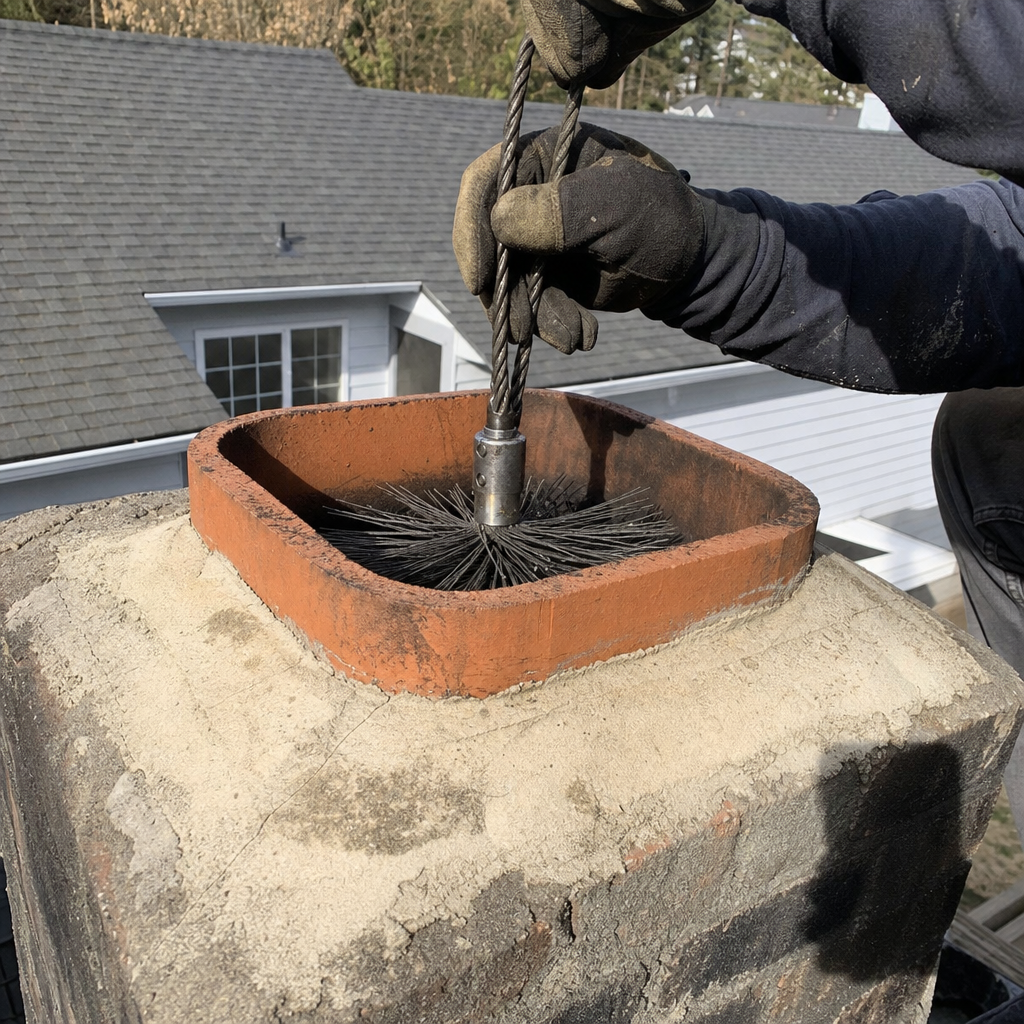
A Level 1 inspection in Sandy covers the readily accessible portions of your chimney structure and flue — what we can see without specialized tools or camera equipment. For newer Sandy homes with gas inserts or lightly used fireplaces, this is often sufficient for annual clearance. We document creosote thickness, check for obstructions, and verify basic structural soundness. At $180–$250, it’s the baseline that keeps most homeowners compliant with NFPA 211 standards and homeowner insurance requirements.
Level 2 Inspection
Level 2 inspections are where Sandy’s housing stock demands real expertise. At $320–$450, this includes internal video scanning of the flue liner — critical for the retrofitted wood stove inserts we see constantly in Sandy’s 1970s–1990s builds. Many of these installations used improperly sized liners or transition collars that have corroded after years of acidic condensation from wet wood burns. We’ve found cracked flue tiles hidden behind intact-looking mortar, and liner gaps that were dumping combustion gases into wall cavities. If you’re buying a Sandy home, selling one, or have changed your heating appliance, a Level 2 inspection isn’t optional — it’s the only way to see what’s actually happening inside that masonry stack.
Creosote Removal
This is our most called-upon service in Sandy, and it’s not close. Standard mechanical sweeping handles powdery Stage 1 creosote fine. But Sandy’s self-cut Douglas fir, often burned at 30–40% moisture content, produces Stage 2 and Stage 3 glazed creosote — hard, tar-like deposits that resist wire brushes and require chemical pre-treatment. We apply ACS Anti-Creo-Soot or similar pre-treatment, let it dwell, then mechanically remove the softened deposit with rotary whips and poly brushes. Jobs run $280–$420 depending on severity. On a recent job at a 1970s homestead off Muzzy Lane, we found heavy Stage 3 glazed creosote that required chemical pre-treatment before mechanical sweeping. The homeowner had been burning self-cut Douglas fir at 35% moisture, and we used HeatShield to reline a deteriorated transition collar where the wood stove insert met the original masonry flue. Without that pre-treatment, we’d have scratched the surface and left the hazard intact.
Soot Removal
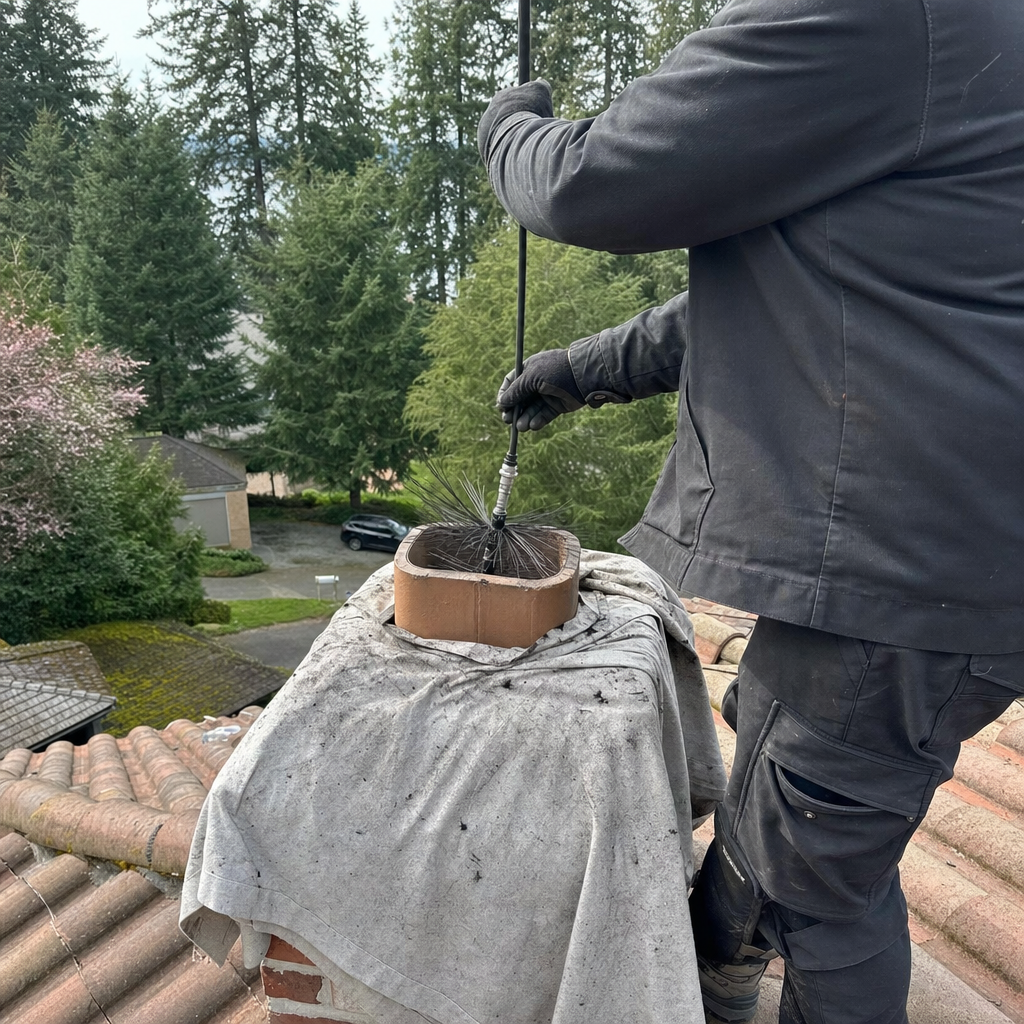
Soot accumulation in Sandy tends to be secondary to creosote, but it’s still significant — especially in gas fireplaces with poor draft or incomplete combustion. We use HEPA-contained vacuums and sealed work areas to prevent contamination of your living space. Soot removal alone runs $190–$280, though we typically bundle it with inspection and creosote work for Sandy homeowners who’ve deferred maintenance. The black, acidic residue degrades firebox refractory panels and corrodes damper hardware over time. Cleaning it out extends component life and improves combustion efficiency.
Annual Sweep
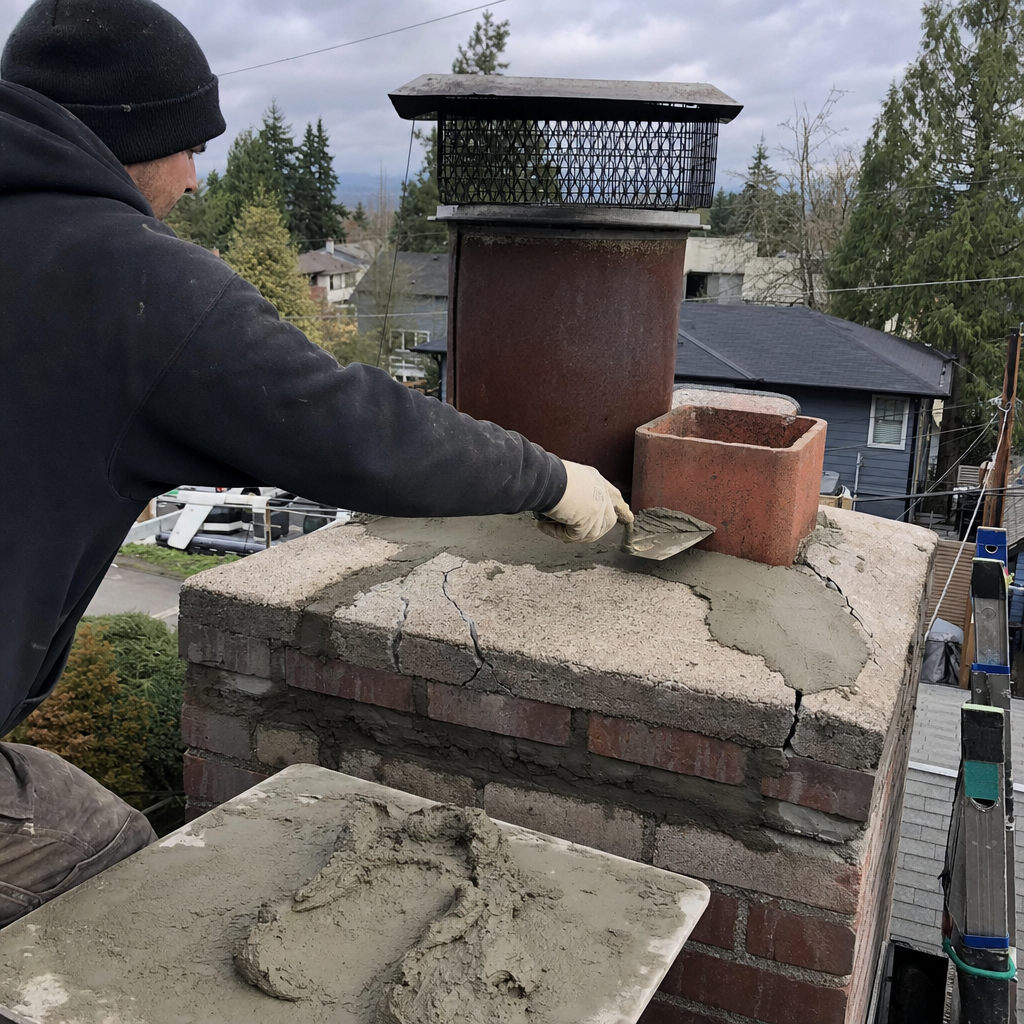
For Sandy residents burning wood as primary or significant supplemental heat, annual sweeping isn’t conservative — it’s necessary. The NFPA 211 standard calls for annual inspection; for heavy-use wood burners in high-creosote conditions, we recommend sweeping at that same interval. Our annual service in Sandy includes full Level 1 inspection, creosote and soot removal, firebox cleaning, and a written condition report. At $220–$320, it’s predictable maintenance that prevents the $800–$1,500 emergency calls we get in January when a blocked flue backs smoke into the house or a chimney fire cracks the liner.
Fireplace Cleaning
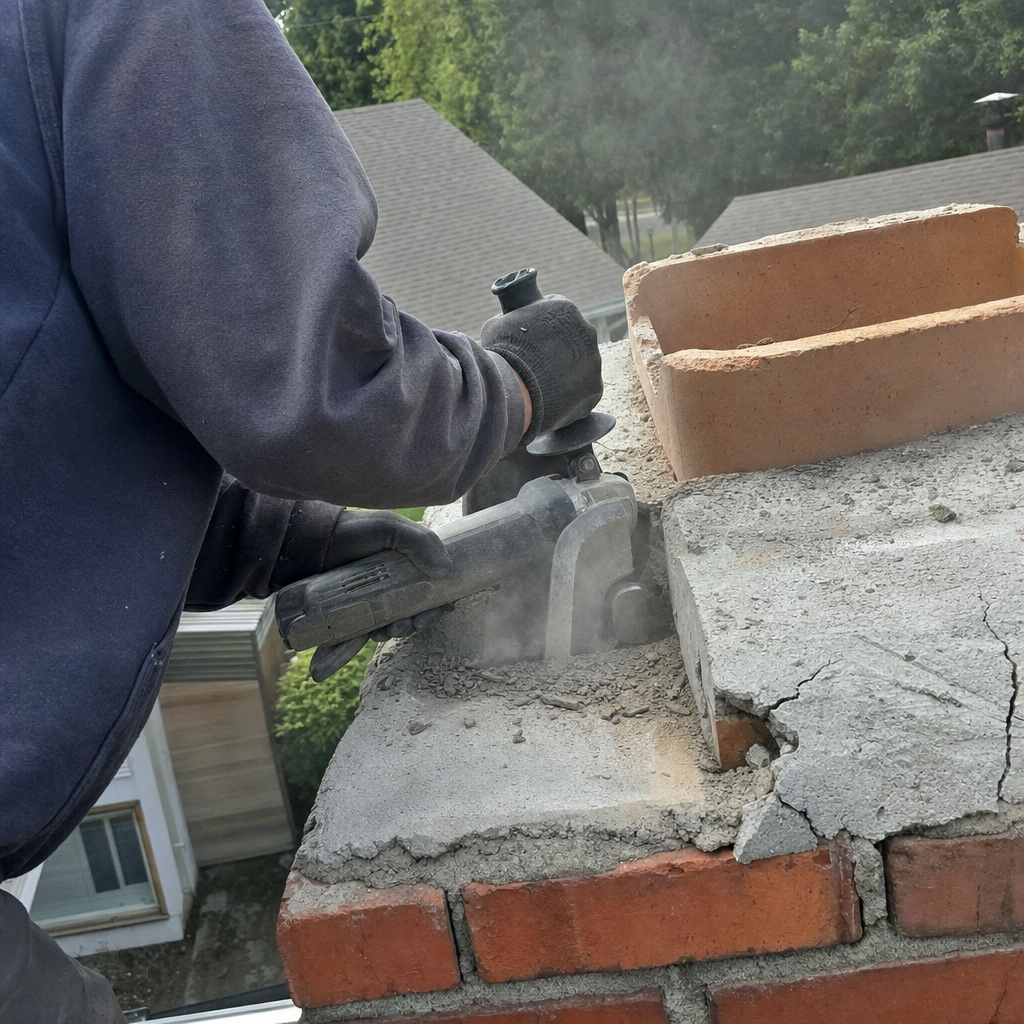
Fireplace cleaning in Sandy addresses the full combustion zone — firebox, smoke shelf, damper assembly, and visible flue throat. We remove ash deposits, bird nests (common in Sandy’s tree-dense lots), and degraded masonry fragments from spalling brick. This service runs $200–$290 and pairs naturally with our cap and crown work using Olympia Chimney and Copperfield components to keep water and wildlife out going forward.
What happens when you call
- 1
A real person answersNo phone trees — you reach a local pro.
- 2
You get an upfront price rangeHonest numbers before anyone is dispatched.
- 3
A background-checked tech heads outLicensed & insured, dispatched right away.
- 4
You approve before work beginsNothing starts until you say go.
Trusted Brands We Service in Sandy
We don’t do generic. When a Sandy chimney needs relining, we spec DuraFlex stainless steel liners for their corrosion resistance in wet-burn environments. For refractory repair and relining parging, we use HeatShield — the same product we applied on that Muzzy Lane job where the transition collar had failed. For caps, dampers, and exterior protection, we stock Famco and Copperfield components sized to fit the older flue dimensions common in Sandy’s mid-century builds. These aren’t afterthought add-ons; they’re the materials we specify because they’ve held up in conditions like Sandy’s. We carry inventory on our service vehicle, so most Sandy repairs don’t wait on shipping.
Common Chimney Cleaning & Sweep Problems We See in Sandy Homes
- Extreme glazed creosote from high-moisture self-cut fir. Sandy homeowners burning self-cut, high-moisture Douglas fir from nearby forest land produce extreme tar-like creosote that standard sweeping cannot remove without chemical pre-treatment. We’ve opened flues that looked clean from the top until the camera revealed a glossy black coating reducing the flue diameter by a third.
- Freeze-thaw mortar damage hidden from ground inspection. Sandy receives over 60 inches of precipitation annually and experiences genuine hard freezes at its 1,000-foot elevation. That freeze-thaw cycling at Sandy’s elevation causes rapid mortar joint deterioration and brick spalling, leading to hidden structural damage missed by Level 1 inspections. We’ve pulled apart chimney crowns that looked sound from the yard but crumbled under hand pressure.
- Improperly sized liners in retrofitted wood stove inserts. Sandy’s housing stock of 1970s–1990s suburban builds frequently has wood stove inserts retrofitted into original masonry fireplaces. These retrofitted wood stove inserts often have improperly sized liners or corroded transition collars, resulting in smoke spillage and reduced draft when not inspected annually. The 6-inch liner jammed into a 12-inch flue is a configuration we encounter repeatedly.
- Smoke shelf accumulation from cooler, wetter burns. The cooler combustion temperatures of unseasoned wood create heavy condensation on the smoke shelf — the flat area behind the damper. This mixes with ash to form acidic concrete-like deposits that corrode metal components and restrict draft. Annual cleaning prevents the progressive damage we’ve seen destroy otherwise sound dampers.
Pricing for Chimney Cleaning & Sweep in Sandy, OR
Here’s what Sandy homeowners actually pay:
- Level 1 Inspection + Standard Sweep: $220–$280
- Level 2 Inspection with Video Scan: $320–$450
- Creosote Removal (Stage 1, mechanical only): $220–$290
- Creosote Removal (Stage 2–3, with chemical pre-treatment): $280–$420
- Soot Removal (standalone): $190–$280
- Annual Sweep Package (inspection + sweep + report): $220–$320
- Fireplace Cleaning (firebox, smoke shelf, damper): $200–$290
What moves you within these ranges? Flue height and accessibility — two-story Sandy homes on sloped lots near Bluff Road take longer to set up. Severity of creosote buildup — Stage 3 glazed deposits add chemical and labor time. Liner condition — if we find damage during Level 2 inspection, we’ll show you the video and quote repair before proceeding. We don’t quote blind over the phone for complex jobs, but we don’t charge to look either. Call (866) 541-8697 for a free estimate — we’ll ask the right questions about your burning habits and give you an accurate range before we drive out.
We Also Serve Cities Near Sandy
We regularly schedule chimney cleaning and sweep appointments across the eastern Portland metro foothills. Our service area includes Damascus, where rural properties mirror Sandy’s heavy wood-burn patterns; Troutdale, with its mix of historic and newer construction along the Sandy River; Gresham, the area’s population center with diverse chimney types; and Clackamas, where hillside homes face similar freeze-thaw exposure. If you’re unsure whether we cover your address, call (866) 541-8697 — James Wilson handles routing personally and can usually accommodate reasonable distances from our Sandy route.
Serving Sandy, OR — Our Local Coverage Area
We’re based in the Sandy area and know this community well. Use the map below to see our service coverage — if you’re nearby, we can almost certainly help.
FAQs — Chimney Cleaning & Sweep in Sandy
Sandy’s combination of higher elevation, colder temperatures, and locally harvested under-seasoned Douglas fir creates combustion conditions that produce far more creosote than Portland’s milder climate and drier commercial firewood. Your friend in Portland is likely burning kiln-dried or properly seasoned wood under 20% moisture, while your self-cut fir at 30–40% moisture burns cooler and leaves heavy tar-like deposits. Call (866) 541-8697 for an inspection — we’ll measure your creosote stage and recommend the right cleaning approach.
Yes — if your Sandy home has a wood stove insert installed in an original masonry fireplace, a Level 2 inspection with internal video scanning is the only way to verify proper liner sizing and transition collar integrity. We’ve found dangerous gaps and corrosion in these retrofits that Level 1 inspections simply cannot detect. Call (866) 541-8697 to schedule; we’ll bring the camera equipment and show you exactly what’s inside your flue.
Annually at minimum, and potentially mid-season if you’re burning as primary heat through Sandy’s cold months. The high-moisture fir common in local cuts accelerates creosote accumulation beyond what NFPA 211’s generic guidance anticipates. We’ve swept Sandy chimneys that were dangerous after a single season of heavy use. Call (866) 541-8697 and we’ll assess your burn volume and wood moisture to recommend the right interval.
Mechanical sweeping removes creosote from the flue interior, but it cannot repair spalled brick or deteriorated mortar joints caused by Sandy’s freeze-thaw cycling. If your exterior chimney shows spalling or missing mortar, we need a Level 2 inspection to assess whether the flue liner itself is compromised — and whether creosote has penetrated cracks into the masonry structure. We offer HeatShield relining and masonry repair for cases where the chimney structure needs restoration alongside cleaning. Call (866) 541-8697 for a combined assessment.
Heavy nitrile gloves under chemical-resistant outer gloves — creosote from Sandy’s wet fir burns is particularly acidic and carcinogenic, and we don’t take shortcuts on personal protection. Our technicians also use full face shields and respirators when breaking glazed deposits with rotary tools. This isn’t cosmetic caution; it’s how you handle a known hazardous material without contaminating your home or our crew. Call (866) 541-8697 if you want to discuss our safety protocols before booking.
Ready to get your Sandy chimney properly inspected and cleaned? Call (866) 541-8697 today for a free estimate. James Wilson will take your call, ask about your specific setup — wood stove insert, open masonry fireplace, or factory-built metal chimney — and give you a straight answer on what service level you actually need. No upsell, no subcontractor roulette. Just 17 years of chimney-only expertise, driven to your door in Sandy.
Written by James Wilson, Owner at Horizon Chimney Sweep Washington, serving Sandy and the greater Seattle region since 2007.